What are Diecast Cars?
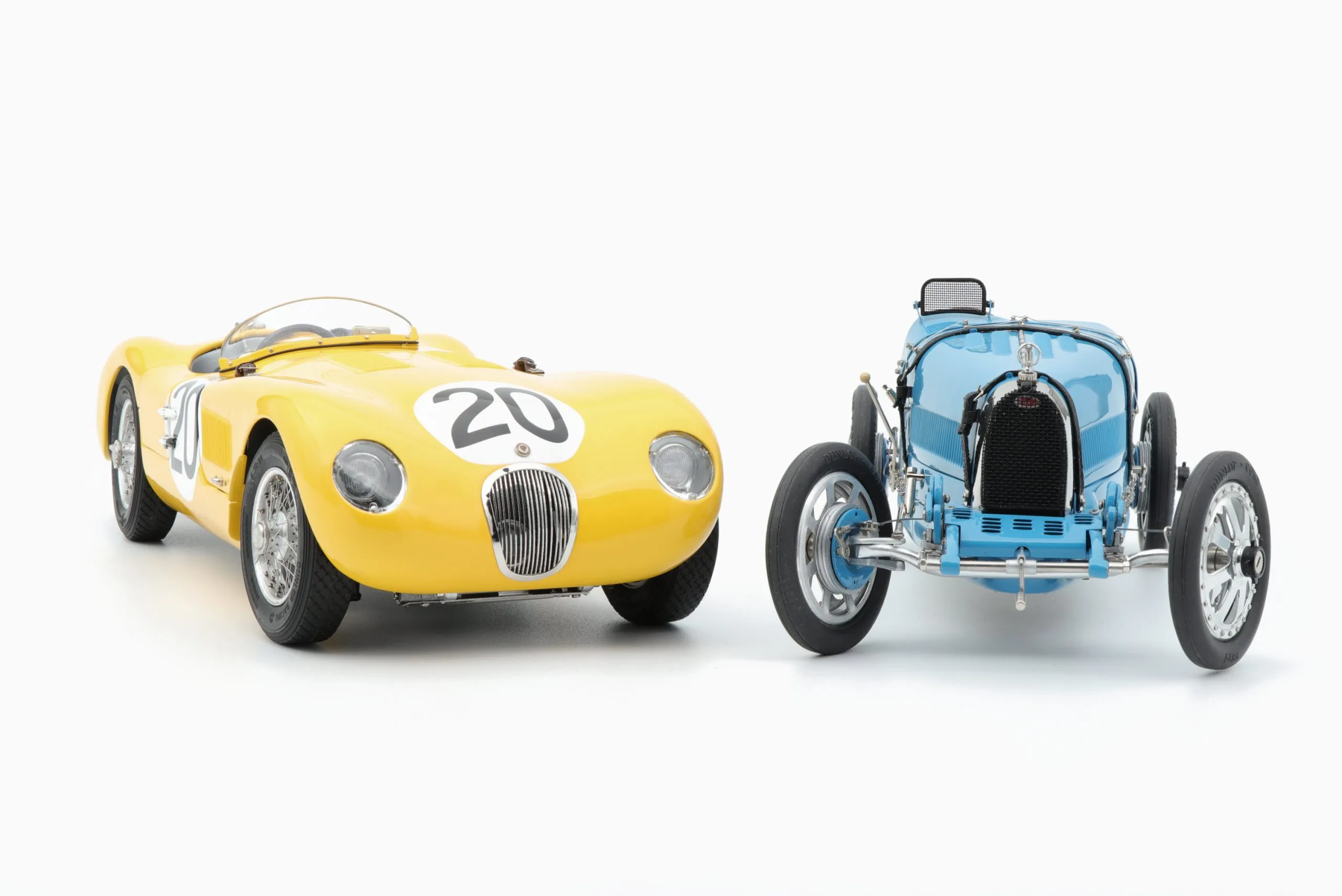
Diecast cars are miniature vehicles made using a die-casting process, where molten metal is injected into molds to create detailed replicas. These models are prized by collectors of all ages and are known for their durability and intricate designs. Diecast cars capture the essence of real-life automobiles, trucks, and other vehicles, offering a tangible connection to automotive history and design. They range from simple toy cars to highly detailed, museum-quality pieces, catering to a wide spectrum of enthusiasts. The level of detail and the materials used often determine the value and appeal of each model, with some rare or limited-edition cars fetching significant prices in the collector’s market. These miniature marvels also serve as a wonderful way to explore the world of automotive engineering and design.
The History of Diecast Cars
The history of diecast cars is a fascinating journey that began in the early 20th century. Initially, these models were primarily toys, designed to withstand the rough play of children. Over time, manufacturers refined their techniques, leading to increasingly detailed and accurate representations of real-world vehicles. The evolution of diecast cars mirrored advancements in manufacturing, including the use of new materials and improved casting methods. Early diecast models often lacked the fine details seen in modern versions. The development of more sophisticated molds and the use of various alloys significantly improved the quality of diecast cars, transforming them from simple playthings into collectible items. This progression continues today, with manufacturers consistently pushing the boundaries of detail and realism.
Early Days of Diecast

The earliest diecast cars emerged as sturdy toys, built to endure the rigors of childhood play. Companies like Dinky Toys and Corgi pioneered the production of these miniature vehicles, setting the stage for what would become a global industry. The materials used were basic, but the designs were innovative for their time, allowing children to engage in imaginative play with small-scale replicas of cars, trucks, and buses. These initial models were relatively simple, but they sparked a fascination that endures to this day. These early examples of diecast toys laid the groundwork for the sophisticated models we see today, and they remain cherished by collectors. These simple beginnings were the seed from which a major industry grew.
Evolution of Manufacturing Techniques
The manufacturing of diecast cars has significantly evolved since the early days. The use of more advanced materials, such as zinc alloys, has improved durability and detail. Precision casting methods enable the production of highly intricate designs, including realistic interiors, detailed engines, and accurate paint finishes. Modern techniques also include computer-aided design (CAD) and computer-aided manufacturing (CAM), which have revolutionized the speed and accuracy of production. These advancements allow manufacturers to create highly realistic models with complex features. As technology continues to advance, so too will the quality and complexity of diecast cars, making them more appealing to collectors.
Scale and Size in Diecast Cars
Diecast cars come in various scales, each representing a specific ratio of the model to the real-life vehicle. The scale affects the size and the level of detail possible in the miniature replica. The most popular scales include 1:18, 1:24, 1:43, and 1:64. Each scale caters to different collector preferences, with larger scales offering more detail and smaller scales providing greater convenience for display and storage. The choice of scale often depends on personal preference and the available space for collection. Understanding these scales is key to appreciating the diversity and craftsmanship in the world of diecast cars. The scales enable collectors to create comprehensive and visually engaging displays.
Common Diecast Car Scales

Several scales dominate the diecast car market, each with its characteristics and collector base. 1:18 scale models are known for their large size and high level of detail. 1:24 scale provides a balance between detail and size, making them a popular choice. 1:43 scale is a common size, often used for creating diverse collections. 1:64 scale, also known as the ‘Matchbox’ or ‘Hot Wheels’ size, is a very popular scale due to its affordability and the wide variety of models available. Each scale offers a unique collecting experience. The choice of scale often depends on the collector’s budget, available space, and the types of models they enjoy.
Factors Influencing Scale Selection
Several factors influence the choice of scale when collecting diecast cars. Budget plays a significant role, as larger-scale models tend to be more expensive. Available display space is another consideration, with smaller scales being easier to store and showcase. Personal preference also contributes, as some collectors prefer the intricate details of larger scales, while others appreciate the variety and affordability of smaller scales. The type of models desired (e.g., vintage cars, modern sports cars) can also influence scale selection. A well-rounded collection often includes models from multiple scales, catering to different interests and display requirements.
Materials Used in Diecast Production
The materials used in diecast car production significantly affect the model’s durability, detail, and overall quality. Metal alloys are essential for the main body of the car, providing weight and structural integrity. Plastic components are used for various details, such as interiors, wheels, and accessories. The choice of materials also impacts the painting and detailing process, as different materials accept paint and other finishes differently. The combination of metal and plastic, along with other materials, allows manufacturers to create realistic and durable replicas of vehicles.
Metal Alloys

Metal alloys are the foundation of most diecast cars, providing the essential structure and weight. Zinc alloys, particularly Zamak, are widely used due to their excellent casting properties and ability to reproduce fine details. Other metals, such as aluminum and tin alloys, are also used, although less frequently. These alloys are melted and injected into molds under high pressure, which then cool and solidify to create the car’s body and chassis. The type of metal used influences the durability, weight, and overall quality of the model. Proper metal composition is crucial for creating long-lasting and detailed diecast cars.
Plastic Components
Plastic components are an integral part of modern diecast cars, utilized for various details, including interiors, wheels, and accessories. Plastics offer flexibility, allowing for intricate designs that might be difficult or impossible to achieve with metal. ABS (Acrylonitrile Butadiene Styrene) plastic is commonly used for its durability and ability to hold fine details. Other plastics, such as PVC and polypropylene, are also employed for specific components. The use of plastic components reduces manufacturing costs and allows for a wider range of designs and features. Advanced molding techniques enable the production of highly detailed plastic parts, increasing the realism of the models.
The Diecast Car Collecting Community
The diecast car collecting community is a vibrant and passionate group of individuals united by their love for miniature vehicles. This community spans the globe and encompasses a wide range of interests, from casual collectors to serious enthusiasts. The community provides platforms for sharing knowledge, trading models, and fostering a sense of camaraderie. Online forums, social media groups, and local car shows all contribute to the strength and vibrancy of the diecast car collecting community. The shared passion for these miniature replicas encourages the exchange of information and fosters a sense of belonging.
Different Types of Collectors

Diecast car collectors come in many forms, each with their own focus and collecting style. Some collectors specialize in particular brands, such as Hot Wheels or Matchbox. Others focus on specific eras, such as vintage cars or modern supercars. Some collectors prioritize scale, while others focus on model rarity or limited editions. The diversity of collecting interests adds to the richness of the community. New collectors and seasoned enthusiasts contribute different perspectives and experiences. This variety ensures the continuous evolution and enjoyment of the hobby.
Tips for Starting a Collection
Starting a diecast car collection can be an exciting adventure. Begin by setting a budget and deciding on a collecting focus, such as a particular brand, scale, or car type. Researching the market to understand model values and identify rare items is important. Networking with other collectors and attending car shows or online forums can provide valuable information and opportunities to acquire new models. Build your collection strategically, focusing on models that interest you. Keep your collection organized and display it to showcase your models effectively. Enjoy the process of finding and adding new treasures to your collection.
Popular Diecast Car Brands
Several brands have become synonymous with diecast cars, each offering unique models and appealing to different collector preferences. These brands have a long history and a loyal following, consistently producing high-quality models. From affordable toy cars to highly detailed collectibles, each brand has contributed significantly to the global diecast car market. The brands mentioned below represent the most recognized and collected diecast car brands. Their lasting impact on the hobby and dedication to quality have solidified their place in automotive history.
Hot Wheels

Hot Wheels, launched in 1968, is one of the most recognizable diecast car brands. The brand is known for its vibrant colors, unique designs, and affordable price point. Hot Wheels quickly gained popularity, especially among children. The brand continually releases new models, including both real-world cars and original designs. Hot Wheels models are easily accessible, making them a great entry point to the diecast car hobby. The brand also organizes competitions and events, further enhancing its presence in the collecting community.
Matchbox
Matchbox, another iconic diecast brand, has a rich history dating back to the 1950s. Initially, Matchbox cars were known for being small enough to fit in a matchbox. Over time, the brand expanded to include a variety of vehicles and has grown into a popular brand, particularly known for its realistic models of everyday vehicles. Matchbox cars often feature detailed designs and high-quality materials. Matchbox provides collectors with a wide range of models suitable for diverse interests. This has led to a dedicated collector base.
Other Notable Brands
Beyond Hot Wheels and Matchbox, many other brands contribute to the diecast car market. Brands such as Autoart, Minichamps, and Kyosho are highly regarded for their detailed, high-quality models, often in larger scales. These brands cater to serious collectors who are looking for museum-quality replicas. There are also brands focusing on specific car manufacturers or vehicle types. Each brand offers different levels of detail, price points, and model selections, catering to diverse tastes within the diecast community.
How Diecast Cars are Made
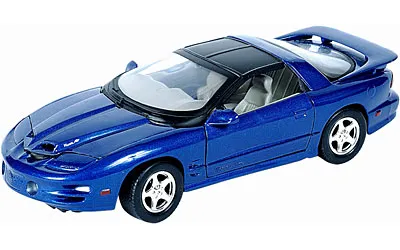
The process of creating diecast cars involves multiple stages, from design to final assembly. Precision and attention to detail are key in this process. The manufacturing process combines technology and craftsmanship to produce intricate miniature models. The following steps offer an overview of how these fascinating collectibles come to life. Modern techniques ensure efficiency and accuracy, and it results in quality, durable miniatures.
The Die Casting Process
The die-casting process forms the backbone of diecast car manufacturing. Molten metal, usually a zinc alloy, is injected into a mold under high pressure. The mold, which consists of two or more parts, precisely defines the shape of the car’s body and other major components. After the metal solidifies, the mold is opened, and the cast parts are removed. This process allows for the efficient production of complex shapes with fine details. Once the parts are removed, any excess material is trimmed, and the parts are cleaned in preparation for further processing. The precision of this step determines the quality of the model.
Painting and Detailing
Painting and detailing are crucial steps in enhancing the realism of diecast cars. The car’s body receives layers of paint, often applied using automated spray systems. High-quality paints and detailed techniques are used to achieve the desired finish, and the surface is polished to give it a smooth appearance. After the paint is applied, intricate details, such as headlights, taillights, and logos, are often added using tampo printing or decals. The final detailing includes the installation of interior components, wheels, and other accessories. This process is completed with great precision to achieve the realism of the models.
Where to Buy Diecast Cars
Finding diecast cars has become increasingly convenient. The marketplace for these collectibles is broad and accessible. Collectors can find models in various locations, from online retailers to local shops and car shows. Each channel offers unique advantages. Collectors often mix and match different sources to meet their needs. The diversity of these channels caters to all kinds of collectors, making it easy to find and buy the cars they seek. Finding the right source for you depends on your preferences.
Online Marketplaces
Online marketplaces offer a vast selection of diecast cars, including a wide range of brands, scales, and models. Sites such as eBay and specialized online stores provide access to both new and vintage models. Collectors can browse through thousands of listings, often comparing prices and conditions. The convenience of online shopping combined with the availability of reviews allows collectors to make informed purchase decisions. Online auctions also present a unique opportunity to find rare and limited-edition models. The online marketplace makes it easy for collectors to add to their collection from anywhere in the world.
Local Shops and Shows
Local hobby shops and car shows offer a more personal collecting experience. Hobby shops provide a curated selection of diecast cars, often with knowledgeable staff who can offer advice and guidance. Car shows bring collectors together, allowing them to buy, sell, and trade models. These events offer a great opportunity to connect with other enthusiasts and find rare or hard-to-find models. The opportunity to examine models in person and build connections with fellow collectors is a notable benefit. These are great avenues for adding to your collection and sharing your passion.
Caring for Your Diecast Cars
Proper care and maintenance are essential for preserving the value and appearance of diecast cars. Regular cleaning, appropriate storage, and careful handling can prevent damage and ensure that your models remain in excellent condition for years. The following suggestions provide guidelines to help keep your diecast cars in pristine condition. This ensures your collection remains a source of enjoyment for years to come.
Cleaning and Maintenance
Cleaning diecast cars involves using soft cloths or brushes to remove dust and debris. Avoid abrasive cleaners that could damage the paint or details. Gently wipe the surface to maintain the finish and prevent scratches. For more stubborn dirt, a mild soapy water solution can be used, followed by a thorough drying. Regular maintenance, such as checking moving parts and keeping the models out of direct sunlight, contributes to their longevity. Correct handling and storage are crucial to preserve the quality of the models.
Proper Storage Techniques
Storing diecast cars properly protects them from damage and preserves their value. Store models in a cool, dry place away from direct sunlight and extreme temperatures. Consider using display cases or individual protective boxes to shield them from dust and scratches. Organize your collection carefully, with models being easily accessible for viewing. Following these steps helps protect your investment and ensures that your models can be enjoyed for years to come. Good storage habits maintain the value of your collection.
The Future of Diecast Cars
The future of diecast cars holds exciting prospects for enthusiasts and collectors. Technological advancements, changing market trends, and evolving collector preferences will drive innovation and new developments in this dynamic hobby. The continued evolution of these collectible models promises to provide new challenges and new sources of enjoyment. The future is bright, with the evolution of diecast models offering potential for technological innovation and creativity.
Innovations in Diecast
Technological innovations are shaping the future of diecast cars. 3D printing is enabling the creation of highly detailed, custom models. Advancements in materials science allow for more realistic finishes and features. The use of electronics is growing, with some models incorporating lights, sounds, and even remote control capabilities. These innovations enhance the realism and interactivity of diecast cars. The ability to incorporate these features will transform how collectors interact with and enjoy their models. These technologies will continue to push the boundaries of what’s possible.
The Role of Technology
Technology continues to play an increasingly important role in the diecast car industry. Computer-aided design (CAD) and manufacturing (CAM) systems are speeding up production and increasing precision. Online platforms and virtual reality are changing how collectors share and experience their collections. Technology is facilitating both model creation and the ways collectors enjoy them. The potential of technology to improve diecast cars is limitless. The integration of these technologies continues to evolve, promising new excitement for collectors.